

LASIK VS PRK
Which Treatment Is Right For You?

Both LASIK and PRK use an excimer laser to reshape the cornea and can provide excellent visual results. The primary difference is how the cornea is prepared for the laser treatment.
During LASIK, a special device creates a thin, hinged flap in the cornea, which is gently lifted to expose the tissue underneath. The laser then reshapes the cornea, and the flap is placed back over the treated area, where it naturally heals. Vision typically returns quickly after LASIK, and many patients are able to see well enough to drive without glasses or contacts soon after surgery, once cleared by their doctor.
PRK, unlike LASIK, does not require a corneal flap. Instead, the outer layer of cells, called the epithelium, is removed from the surface of the eye. The excimer laser then precisely reshapes the cornea to correct the patient's vision. PRK is different from the older RK procedure, which used surgical incisions in the cornea.
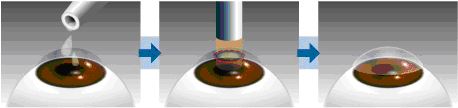
After PRK, a protective contact lens is placed over the eye to help protect the surface while the epithelium heals. The lens is typically removed by your surgeon after several days. Some discomfort is common during the first few days, and your doctor will provide instructions for managing discomfort and using prescribed eye drops. PRK generally has a longer recovery period than LASIK. Vision may be blurry at first as the surface of the cornea heals and smooths out. Full visual results can take several weeks. Patience is key with PRK!
To summarize the primary differences between LASIK and PRK are that LASIK offers patients less if any, post-operative discomfort and a quicker return to functional vision although there is an extended corneal flap healing period. On the other hand, PRK is the safest procedure due to the lack of having a corneal flap thus reducing chances of having any complications and having a faster healing time. However, because PRK has a larger surface area to re-grow tissue, there is often more discomfort during the healing process. Although you do have “functional” vision after surgery, it usually takes 4-8 weeks after surgery to achieve your FULL visual outcome.
The primary difference between LASIK and PRK is recovery. LASIK generally offers less discomfort and a faster return to functional vision, while PRK avoids creating a corneal flap and may be a better option for certain patients. PRK typically involves more discomfort during the early healing period and takes longer for vision to stabilize. Your surgeon will help determine which procedure best fits your eyes, lifestyle, and vision goals.
Even if you have excellent distance vision after LASIK or PRK, you may still need reading glasses as you get older. This is because the eye's natural lens gradually becomes less flexible with age, a condition called presbyopia. LASIK and PRK correct the shape of the cornea, but they do not stop the normal aging of the eye. As a result, you may eventually need reading glasses for close-up vision, even if you did not need them before surgery.
Ready to see
your path
clearly?
Talk with our team about your questions, your goals, and the care that may be right for you.